
The Ultimate Guide to the Best Forex Trading Strategies
In the world of finance, few markets offer the potential for profits as vast as the foreign exchange market, commonly known as Forex. However, success in Forex trading is not guaranteed; it requires knowledge, careful planning, and a strong trading strategy. In this article, we will explore various strategies that traders can adopt to improve their trading outcomes. For resources and insights, don’t forget to check out best forex trading strategy https://forex-vietnam.net/.
Understanding Forex Trading
Forex trading involves the buying and selling of currency pairs with the aim of making a profit. The market operates 24 hours a day, five days a week, and is the largest financial market in the world. With the daily trading volume surpassing $6 trillion, it is crucial for traders to implement effective strategies to navigate its complexities.
Why Use a Trading Strategy?
A trading strategy provides a framework for making trading decisions. It helps traders to avoid impulsive decisions based on emotions and encourages discipline. A good strategy takes into account the trader’s risk tolerance, trading style, and market conditions. Let’s explore some of the best Forex trading strategies that can be employed by traders of all levels.
1. The Trend Following Strategy
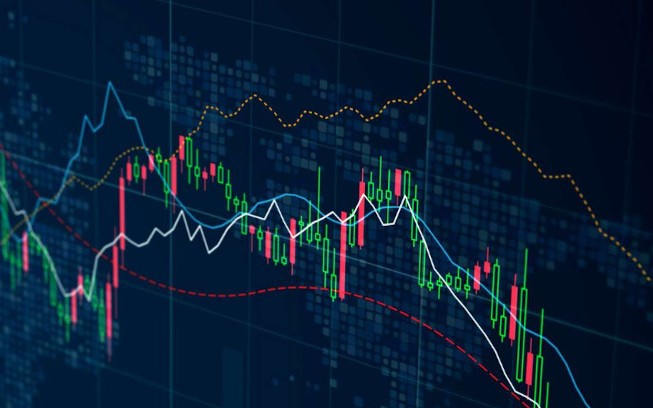
The trend-following strategy is one of the most popular approaches in Forex trading. Traders using this strategy identify a prevailing trend—either upward (bullish) or downward (bearish)—and then align their trades accordingly. The key tools for this strategy include moving averages, trend lines, and various indicators that help ascertain the direction of the market.
To implement this strategy effectively, traders should always look for confirmation of the trend before entering a trade. For instance, a trader might wait for price action to close above a specific moving average before buying or below for selling.
2. The Breakout Strategy
Breakout trading involves entering the market when the price breaks through a predetermined support or resistance level. This strategy is based on the idea that once a price level is breached, the price will move significantly in that direction.
Successful breakout trading requires traders to watch for consolidation periods—when prices are range-bound—and then act when the price breaks out of that range. Traders often use volume indicators to help confirm the breakout’s strength.
3. The Range Trading Strategy
Range trading is a strategy employed when the market is not trending but moving sideways within an established range. In this scenario, traders buy at the support level and sell at the resistance level. The key to successful range trading lies in recognizing these levels accurately.
To identify a range, traders often use oscillators like the Relative Strength Index (RSI) or stochastic indicators, which show overbought and oversold conditions, helping to predict reversals at support and resistance levels.
4. Using Technical Indicators
Technical indicators are mathematical calculations based on price, volume, and open interest of a security. They help traders analyze market trends and make decisions based on statistical data. Popular indicators include:
- Moving Averages: Used to smooth out price data and identify the direction of the trend.
- MACD (Moving Average Convergence Divergence): Helps to identify momentum changes and potential buy/sell signals.
- Bollinger Bands: Used to determine overbought or oversold conditions in the market.
While indicators can provide valuable insights, they should not be used in isolation. Combining multiple indicators and employing a robust risk management strategy is crucial for success.
5. Fundamental Analysis Strategy
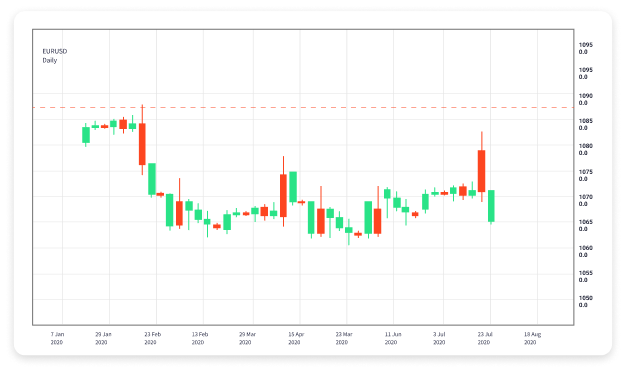
While technical analysis focuses on price movements, fundamental analysis examines economic indicators, news events, and overall geopolitical situations that can affect currency values. Key economic reports like GDP, unemployment rates, and interest rates can significantly influence Forex markets.
Traders who follow a fundamental analysis strategy will keep abreast of economic news and reports and use this information to make informed trading decisions. This approach often involves a longer-term perspective compared to technical analysis tactics, which can focus on shorter-term price movements.
6. Combining Strategies for Better Results
A successful Forex trader may choose to combine different strategies to improve their overall trading performance. For instance, a trader might use trend-following techniques in conjunction with fundamental analysis to make informed decisions during significant economic announcements.
Combining different strategies allows traders to adapt to various market conditions, thereby enhancing their chances of success. The flexibility in trading strategy is key; what works in one market environment may not work in another.
7. Risk Management
No trading strategy is complete without effective risk management. Traders must determine how much capital they are willing to risk on each trade and set stop-loss orders accordingly. A common rule of thumb is to risk no more than 1-2% of your trading capital on a single trade.
Successful Forex traders educate themselves on risk management techniques, including the use of leverage, position sizing, and diversification. Without proper risk management, even the best strategies can lead to significant losses.
Conclusion
In conclusion, the best Forex trading strategy is one that aligns with your individual trading style, risk tolerance, and market conditions. Whether you choose trend following, breakout trading, range trading, or a combination of these strategies, it is crucial to remain disciplined and regularly review your performance.
As you embark on your Forex trading journey, remember to continuously educate yourself, stay updated on market trends, and utilize a robust risk management strategy. By doing so, you’ll increase your chances of success in the dynamic world of Forex trading.
wordpress theme by initheme.com